
The Allure of Casino Games
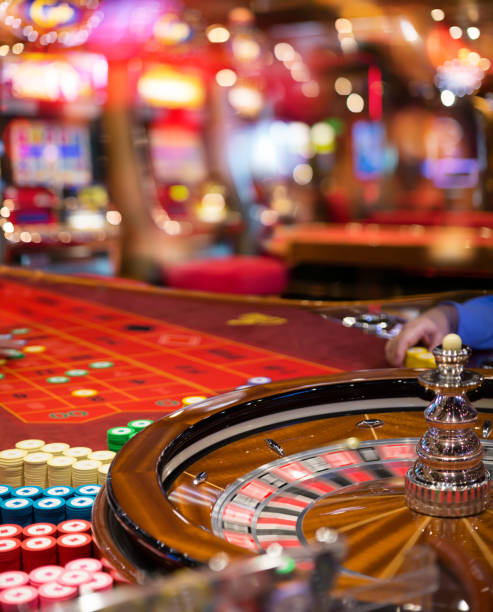
The excitement of casino games is deeply rooted in the human psyche. Players are often drawn to these environments due to the thrill and suspense associated with gambling. The flashing lights, the sounds of spinning wheels, and the atmosphere of hope and anticipation significantly activate emotional responses, reinforcing the desire to participate. This sensory overload can create an almost euphoric experience, encouraging players to return for more, which can also be observed in the context of anonymous casinos.

Furthermore, the principle of loss aversion plays a critical role in player behavior. Individuals are more motivated to avoid losses than to achieve equivalent gains, which explains why players often chase their losses in casinos. This phenomenon leads to a cycle of play where the hope of recouping lost funds overrides rational decision-making, further enhancing the allure of casino games.
Understanding Risk and Reward
The psychology of risk-taking is central to gambling behavior. Many players are attracted to the uncertainty and the potential for significant rewards, which can unleash a rush of adrenaline. This biological response is driven by dopamine, a neurotransmitter associated with pleasure and reward, which reinforces the desire to take risks. Each win, no matter how small, can lead to increased betting, as players seek to replicate their success. Unknown factors may also play into their decision-making processes throughout the experience.
This dynamic enhances the thrill of the game, compelling players to engage further, despite the odds often being stacked against them. The perceived odds of winning can be manipulated through marketing techniques, creating a false sense of skill or control that further entices players to gamble.
The Role of Social Interaction
Casino games are often social activities, contributing to their appeal. Players frequently engage with one another, sharing in the excitement of wins and losses. This social aspect can create a sense of community and belonging, making the gaming experience more enjoyable and fulfilling. The interaction often fuels competition, which can be a powerful motivator for players, pushing them to take more risks and invest more time and money.
Moreover, observing others win can trigger a psychological phenomenon known as social proof, where individuals are influenced by the actions of others, leading them to participate in gaming even if they would not have played alone. This communal aspect effectively enhances the overall experience, making it more engaging and compelling.
The Influence of Environment on Player Behavior
The environment of a casino is meticulously designed to encourage prolonged play. Factors such as lighting, music, and layout create an immersive experience that tends to distort a player’s sense of time and loss of control. Many casinos are designed without clocks or windows, further contributing to a disorienting atmosphere where players lose track of time and their spending. Unknown constraints can certainly affect individual experiences as well.
This strategic design can lead to extended gaming sessions, as players become engrossed in the experience. Furthermore, the positioning of slot machines near exits and restrooms is a tactic used to keep players within the casino longer, as they are tempted to play “just one more game” to increase the thrill of winning or to avoid further losses.
Navigating the Online Gaming Landscape
As casinos have moved into the digital realm, understanding player behavior online has become increasingly important. Virtual casinos replicate the engaging environments of physical venues, utilizing graphics and sound effects designed to captivate players. The principles of psychology remain the same, with online platforms implementing features such as bonuses and rewards to encourage prolonged engagement.
Moreover, the perception of anonymity in online gambling can lead to riskier behavior, as players may feel less accountable for their actions. The convenience of access also plays a role in increased gambling frequency, often leading to problematic play. Understanding these dynamics is crucial for both players and operators in creating a responsible gaming environment.
